What Is Sectional Dismantling and When Is It Needed?
Trees add beauty, privacy, shade, and value to residential properties, but there are times when tree removal becomes the safest and most practical solution. In many situations, simply felling a tree from the base is not possible due to nearby buildings, gardens, fences, or restricted access. This is where sectional dismantling becomes essential. At Finedon Tree Surgeons, we provide professional tree surgery services throughout Finedon, Northamptonshire, including safe and controlled sectional dismantling for trees in challenging locations.
This article explains what sectional dismantling is, how it works, and when it is typically required.
What Is Sectional Dismantling?
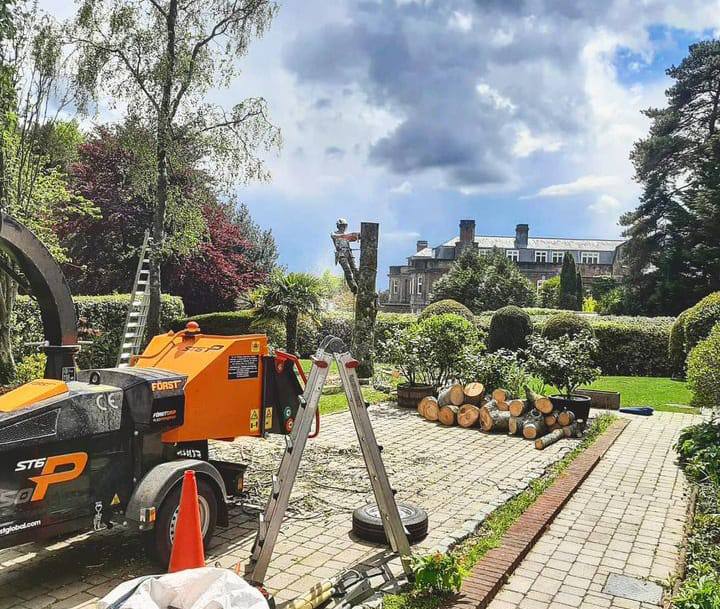
Sectional dismantling is a specialist tree removal technique where a tree is carefully taken down in smaller sections rather than being felled in one piece.
The process usually starts at the top of the tree, with branches and sections of the trunk removed gradually and lowered safely to the ground using ropes, rigging equipment, and controlled techniques.
This method allows arborists to remove trees in confined spaces while minimising risk to surrounding property and landscaping.
Why Trees Cannot Always Be Felled Normally
Traditional tree felling requires enough clear space for the entire tree to fall safely to the ground. In many residential settings, this simply is not possible.
Common Obstacles Include:
- Houses and extensions
- Garages and sheds
- Fences and walls
- Conservatories
- Driveways and patios
- Nearby roads or footpaths
- Overhead cables
When these obstacles are present, sectional dismantling provides a much safer solution.
How Sectional Dismantling Is Carried Out
Every sectional dismantling project begins with a thorough assessment of the tree and its surroundings.
The Process Typically Involves:
- Inspecting the tree’s condition and structure
- Planning the safest removal strategy
- Using climbing equipment or access platforms
- Removing branches in manageable sections
- Lowering materials safely using ropes and rigging systems
- Gradually dismantling the trunk
- Removing the remaining stump if required
Careful planning and professional equipment ensure the work is completed efficiently and safely.
When Is Sectional Dismantling Needed?
While not every tree requires this approach, there are several situations where it becomes the preferred method.
Trees Close to Buildings
Large trees growing near homes can present significant challenges during removal.
Sectional dismantling allows the tree to be removed piece by piece without risking damage to roofs, windows, walls, or surrounding structures.
Limited Access Areas
Many gardens in Finedon have restricted access points that prevent large machinery from being used.
By dismantling the tree in sections, professional tree surgeons can safely remove the tree without requiring extensive access.
Dead or Dangerous Trees
Dead, diseased, or structurally weakened trees can behave unpredictably when felled.
Sectional dismantling provides greater control over each stage of the removal process, reducing potential hazards.
Trees Overhanging Property
Branches extending over neighbouring gardens, driveways, or buildings often require a controlled approach.
Removing sections individually prevents falling debris from causing damage.
Trees Near Roads and Public Areas
Trees growing close to roads, footpaths, or public spaces require additional safety measures.
Sectional dismantling allows arborists to manage the removal process while protecting pedestrians and nearby traffic.
The Benefits of Sectional Dismantling
This specialist method offers several important advantages.
Improved Safety
The controlled nature of sectional dismantling significantly reduces risks to people, property, and surrounding structures.
Greater Precision
Each section is carefully planned and lowered, providing complete control throughout the removal process.
Protects Landscaping
Gardens, flower beds, lawns, patios, and decorative features can remain largely unaffected when the work is carried out correctly.
Suitable for Complex Locations
Even trees growing in highly restricted spaces can be removed safely using sectional dismantling techniques.
Why Professional Expertise Matters
Sectional dismantling is one of the most technically demanding aspects of tree surgery.
Professional tree surgeons must understand:
- Tree structure and weight distribution
- Rigging systems and lowering techniques
- Safe climbing practices
- Risk assessment procedures
- Site-specific safety requirements
At Finedon Tree Surgeons, our experienced team uses professional equipment and proven techniques to ensure every dismantling project is completed safely and efficiently throughout Finedon, Northamptonshire.
Signs a Tree May Require Removal
Property owners should consider arranging a professional assessment if they notice:
- Large dead branches
- Significant leaning
- Visible trunk decay
- Cracks in major limbs
- Fungal growth around the base
- Storm damage
- Root instability
Early assessment often helps determine whether the tree can be preserved or whether removal is the safest option.
Conclusion
Sectional dismantling is a highly effective tree removal method used when conventional felling is not practical or safe. By removing a tree in carefully controlled sections, professional tree surgeons can safely manage complex removals while protecting nearby buildings, gardens, and public spaces. Whether a tree is growing in a confined location, suffering from disease, or posing a safety risk, sectional dismantling provides a precise and reliable solution.
If you have a tree that may require removal, Finedon Tree Surgeons provides professional tree assessments and sectional dismantling services throughout Finedon, Northamptonshire. Contact our experienced team today to discuss your requirements and arrange a professional site inspection.
Call us on: 01933 426 193
Click here to find out more about Finedon Tree Surgeons
Click here to complete our contact form and see how we can help with your tree needs.